

Objects are where the questions begin.
The Keris Collector collection has been built over decades through collecting, comparison, research and continuing study.
This section presents selected kerises and related material objects from the collection, not simply as display pieces, but as starting points for understanding craftsmanship, region, provenance, use and cultural context.
New objects will be added over time.
Object Of The Week
One object. One closer look.
Each week, The Keris Collector highlights a selected object from the collection.
The aim is not merely to show the object, but to examine what makes it interesting:
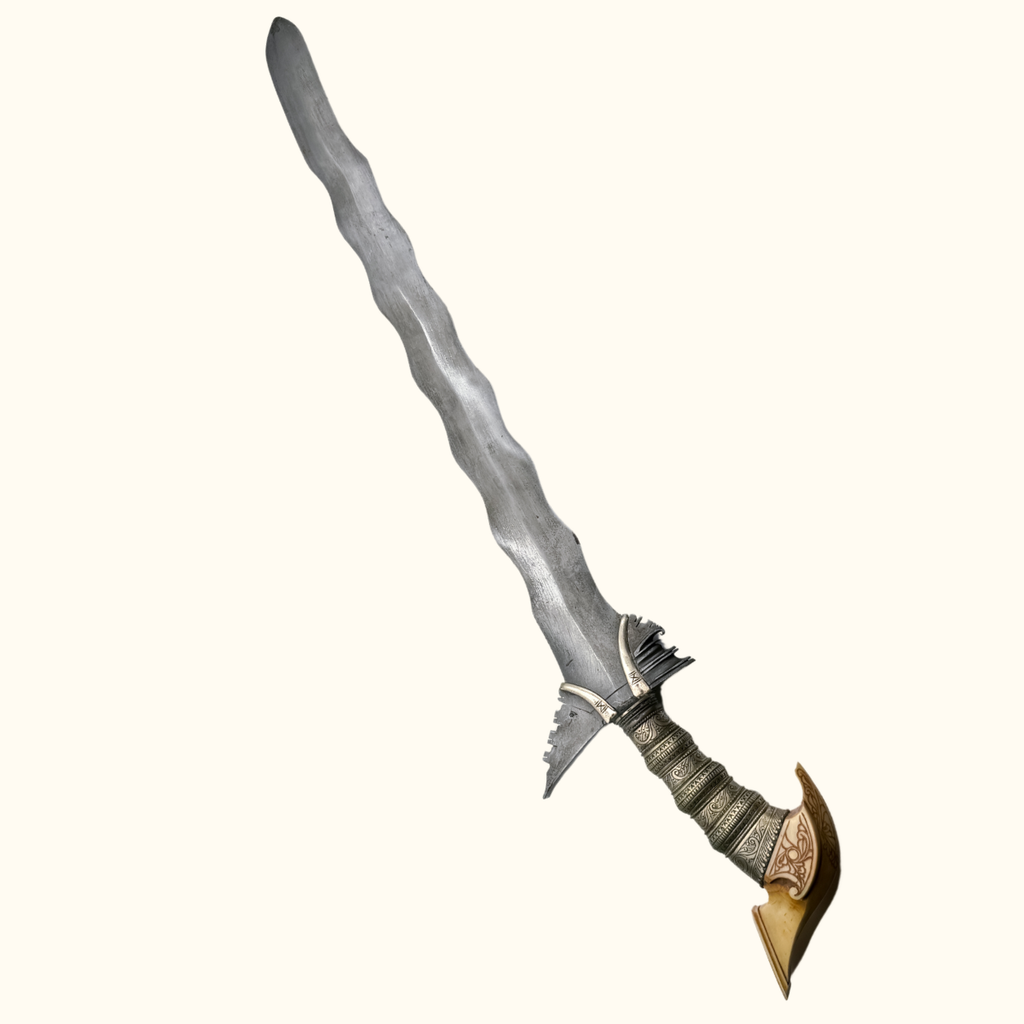
This week’s featured object is a Moro sundang from the southern Philippines.
I acquired this piece from a seller based in the Philippines through an international auction.
To be quite honest, Moro sundangs have never really been a major focus of my collection. But this one caught my attention almost immediately. There was something about the hilt that made me stop and look again.
According to the seller, the piece was made in the early 1990s, at a time when traditional kalis or keris makers in the southern Philippines were still active. I was also told that it had originally been made as part of a wedding dowry for a wealthy family in the Moro region.
The story, as it was related to me, was that the dowry was eventually sold after both the bride and groom had passed away, sometime in the late 2010s.
I have not been able to independently verify every part of that provenance, so I treat it as part of the story that came with the piece rather than as established fact.
Even so, it adds another layer to the object for me.
Today, this sundang has a place in the gallery area of my private library. It is not the sort of piece I would normally have gone looking for, which perhaps makes it all the more interesting that it ended up staying with me.
Object of the Week is part of an ongoing effort to document selected pieces from my private study collection, one object at a time.
Featured objects remain available after their week ends, gradually building a public archive of the collection.
How To Read A Collection Entry
Each object is documented as carefully as the available evidence allows.
Where relevant, entries may include:
- object type
- blade form
- dapur or structural classification
- pamor
- hilt
- sheath
- materials
- regional attribution
- dimensions
- provenance
- condition
- acquisition context
- comparative observations
- associated stories
- research notes
- uncertainties
Not every object will have every field.
Where information is uncertain, the entry should say so.
That consistency will make the archive increasingly useful over time.
Selected Objects
Object Name:
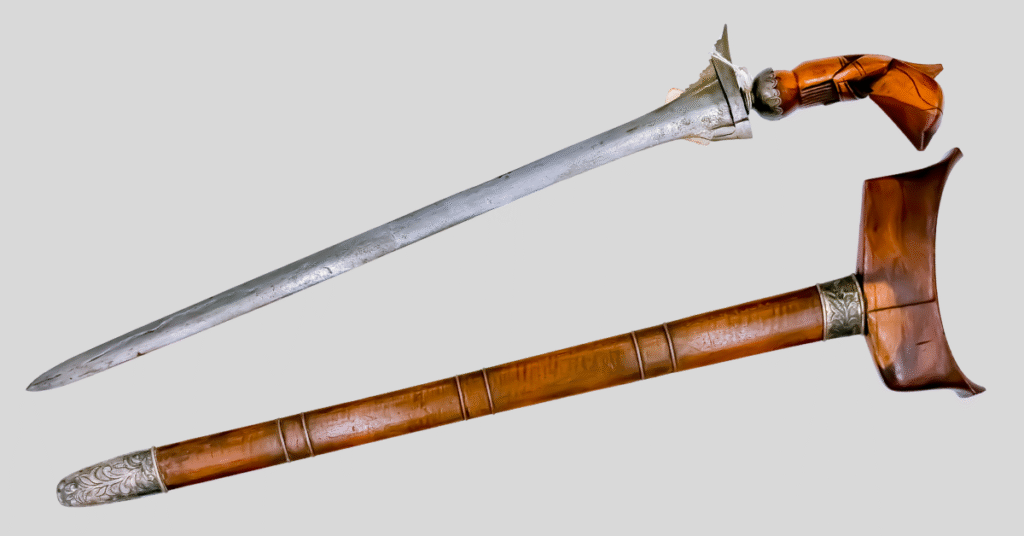
Keris Mandat/Hukum/Alang
Object Name:
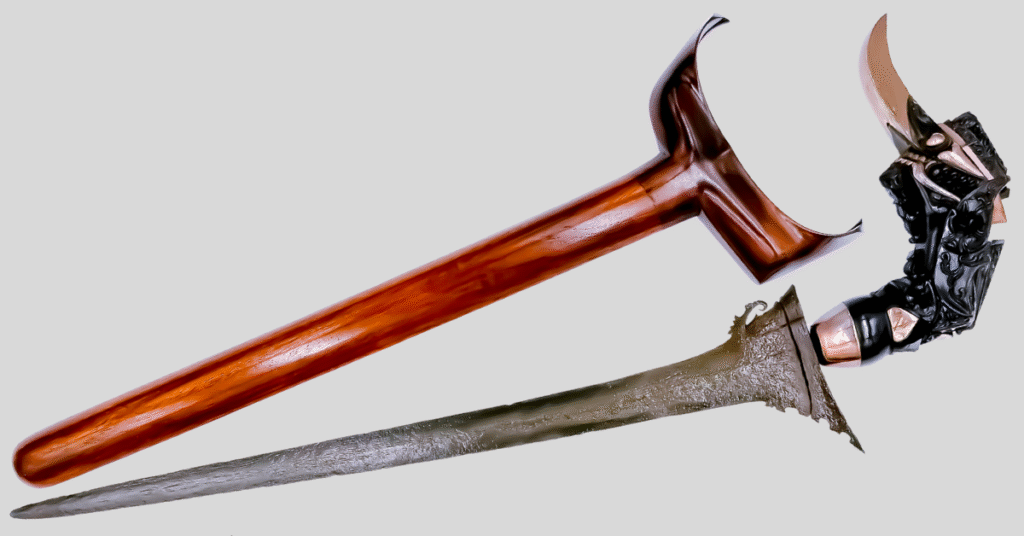
Keris Tajong Melayu
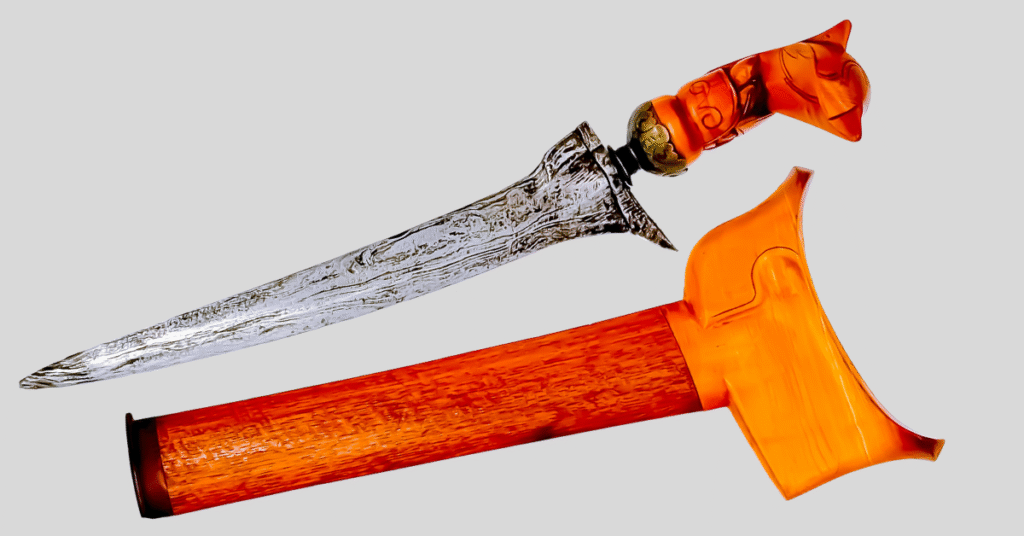
Object Name:
Keris Selit
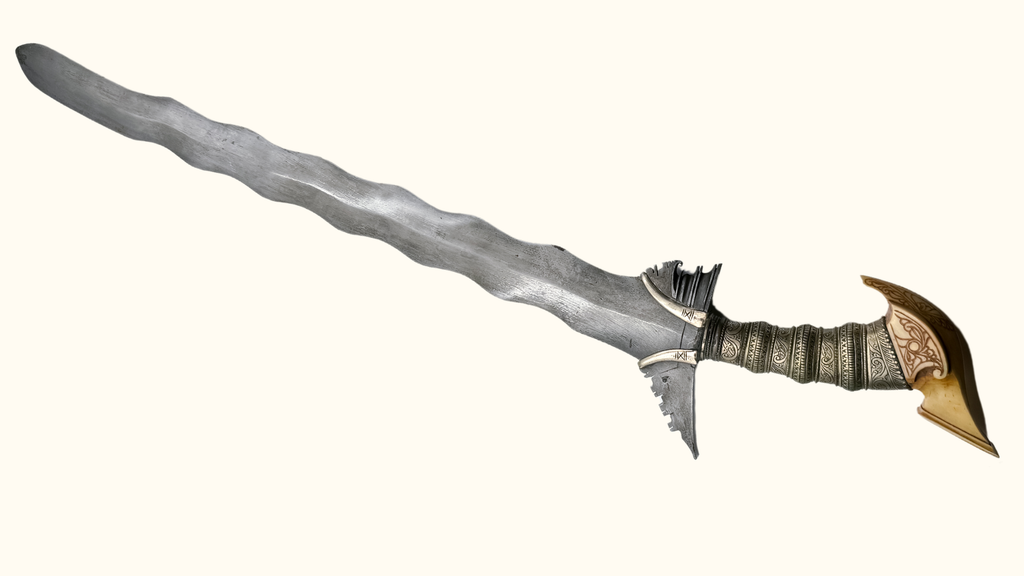
Object Name:
Keris Sundang Moro
Browse The Collection
Where Steel Meets Soul
Every keris carries a story – of its maker, its journey, and the world it was forged in.
Here, the collection unfolds not just as objects, but as living witnesses to history, art, and identity.
Each piece is studied, documented, and preserved with care. You’ll find details of origin, craftsmanship, condition, and context — all presented with transparency and respect for authenticity.
This digital archive brings together the many dimensions of the keris: weapon, heirloom, symbol, and work of art. It is a space for scholars, collectors, and the simply curious to see how culture takes form through steel.
Explore by region, style, or period – and discover how centuries of tradition still speak through each curve, carving, and pamor.
Preserve Through Discovery.
List of Collections By Type:
Check back often for more updates!
Keris
- Protected: Keris Sundang Moro
- Protected: Keris Mandat/Hukum/Alang Panjang Melayu Sumatera
- Protected: Keris Selit Melayu Semenanjung
- Protected: Keris Tajong Melayu Semenanjung Bertatah Suasa
Non-Keris
One Object, Several Questions
A collection entry should not pretend that every object has been completely solved.
A single keris may raise several questions.
Where was the blade made?
Are the fittings from the same region?
Were they made at the same time?
Has the object been redressed?
What material was used?
What does the provenance actually establish?
Which stories came with the object, and which can be independently supported?
The Collection is intended to preserve both what we know and what remains open to investigation.
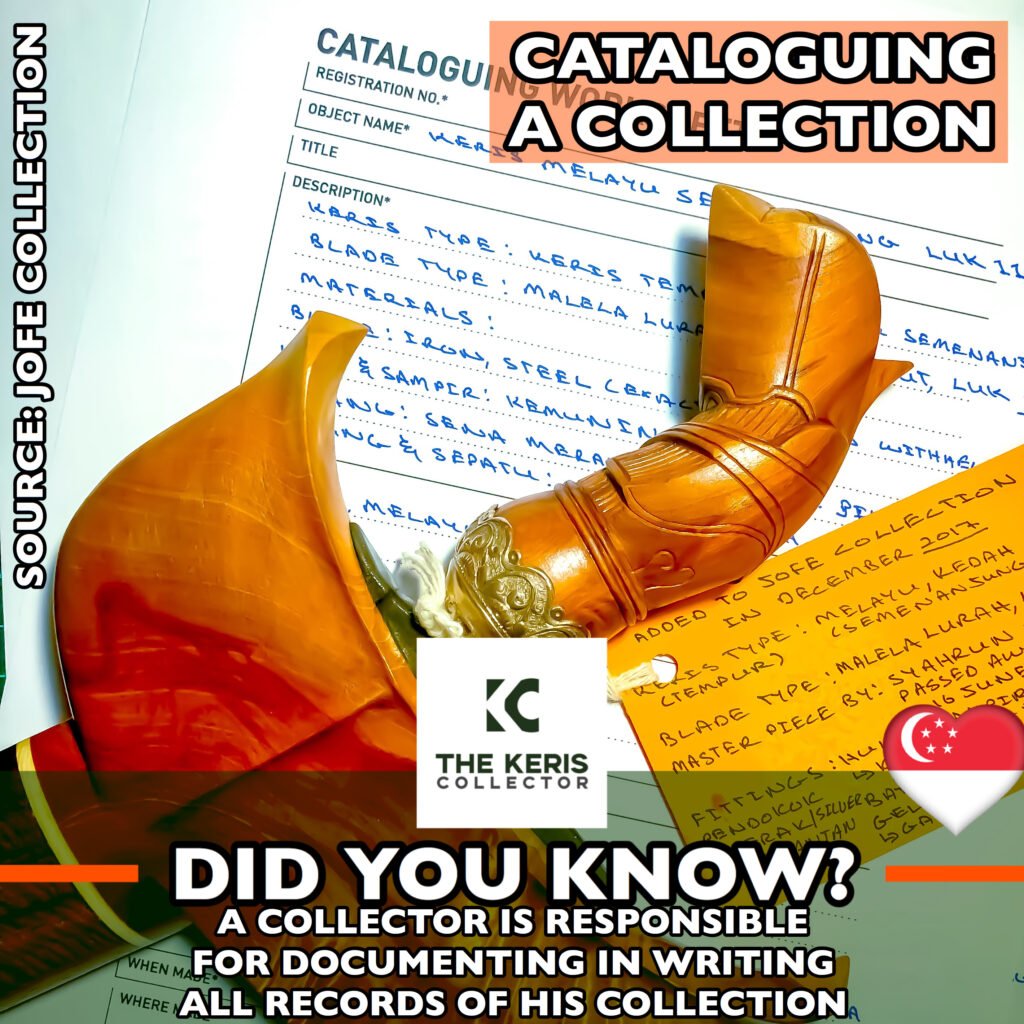
Documentation Matters
Collecting is not only about acquisition.
Objects become far more useful when their histories, dimensions, materials and accompanying information are recorded.
A strong collection record may preserve information that would otherwise disappear when an object changes hands.
The Keris Collector therefore treats documentation as part of collecting itself.
Provenance
Provenance can be one of the most valuable parts of an object’s history.
It may include:
- previous ownership
- family inheritance
- place of acquisition
- dealer or auction records
- photographs
- correspondence
- collection labels
- published references
- institutional records
But provenance should be distinguished from an unsupported story attached to an object
Where the chain of ownership is incomplete, the record should reflect that honestly.
Condition
Age, use, climate and storage all affect traditional objects.
Condition may provide useful information, but wear alone is not proof of great age.
Restoration
Hilts, sheaths and other components may have been repaired or replaced over time.
Restoration can be part of an object’s history, but it should be documented where known.
A heavily restored object is not necessarily less culturally interesting, but understanding what is original and what is later remains important.
A Study Collection
The objects presented here form part of The Keris Collector’s private study collection.
This section is intended for education, research and cultural interpretation.
Publication of an object on this website does not imply that it is available for sale.
Where an object is ever offered, loaned, reproduced or made available for a specific project, that will be handled separately and explicitly.
Research Access
Selected objects may be made available for legitimate research, photography, comparative study, exhibitions or appropriate cultural projects on a case-by-case basis.
Access depends on:
- research purpose
- object suitability
- handling requirements
- legal considerations
- photography or reproduction needs
- location
- availability
Every Object Has More Than One Story
There is the story of how it was made.
The story of how it was used.
The story of how it travelled.
The story someone later told about it.
And the story the evidence can actually support.
The Collection exists to keep examining the differences.
Preserve Through Discovery.